

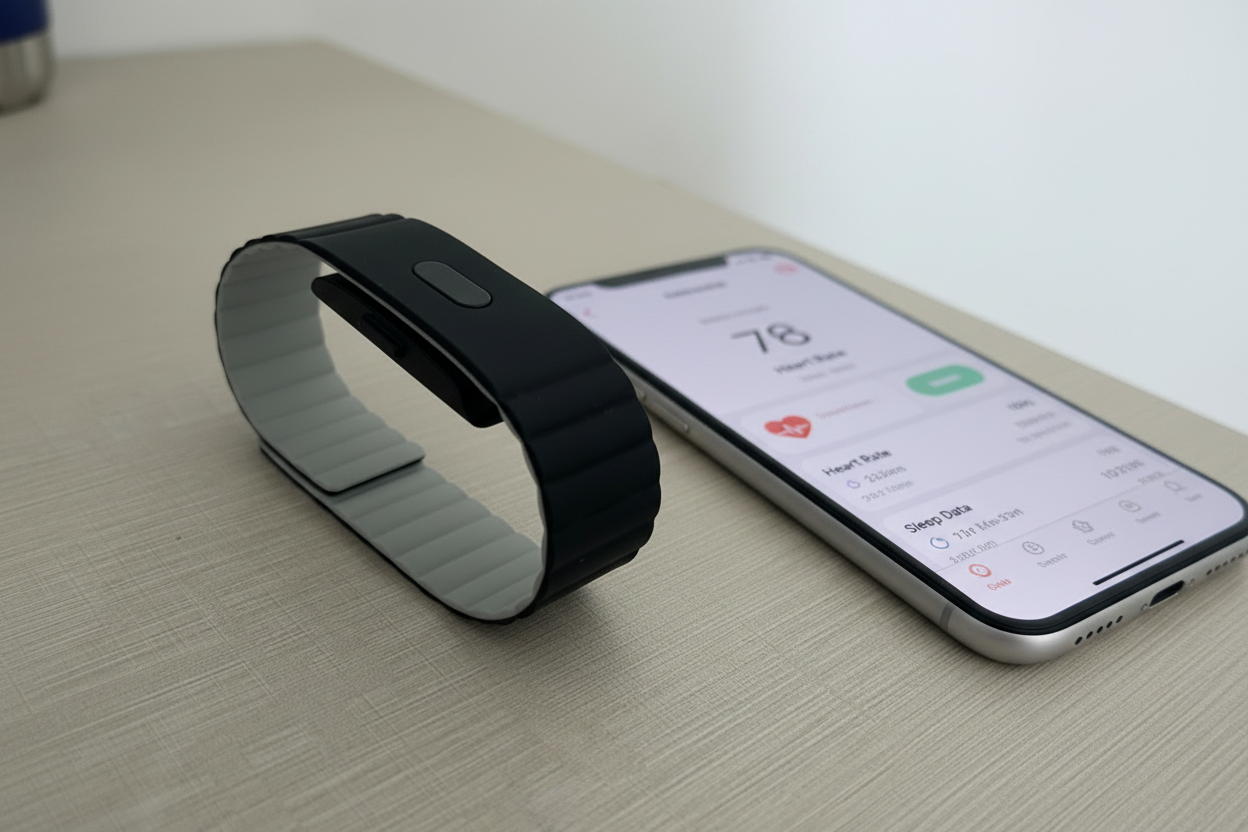
The health bracelet has become an essential accessory for anyone looking to take care of their daily well-being. Whether you're an amateur athlete, a healthcare professional, or simply concerned about your fitness, these connected devices are revolutionizing our approach to medical monitoring and prevention. With a market expected to reach $74 billion by 2026, connected bracelets are no longer just technological gadgets, but genuine tools for preventative health. In this comprehensive guide, we'll help you understand how they work, choose the model best suited to your needs, and fully leverage their potential to improve your quality of life.
What is a Health Bracelet and How Does It Work?
A health bracelet, also called an activity tracker or fitness monitor, is a wearable device equipped with biometric sensors that collect and analyze your physiological data in real time. Unlike multifunctional smartwatches, these bracelets focus primarily on tracking your health and physical activity.
Embedded Technologies
Modern fitness trackers incorporate several sophisticated technologies: accelerometers to measure your movements, optical heart rate sensors using photoplethysmography (PPG), pulse oximeters for oxygen saturation (SpO2), and skin temperature sensors. Some high-end models even offer electrocardiograms (ECGs) to detect cardiac arrhythmias.
This data is then synchronized with a dedicated mobile application that transforms the raw information into understandable indicators: number of steps, calories burned, sleep quality, stress level, and heart rate variability (HRV). This continuous analysis makes it possible to identify trends and anticipate potential health problems.
The Evolution of the Wearables Market
From the first basic pedometers to today's certified medical devices, the evolution has been spectacular. Brands like Fitbit, Garmin, Xiaomi, Samsung, and Apple dominate the market with constant innovation. The miniaturization of components and improved battery life have made it possible to create devices that are discreet, elegant, and high-performing.
The Essential Features of a Smart Health Bracelet
Monitoring of Physical and Sporting Activity
The primary function of a fitness tracker remains monitoring your daily activity. Step counting, distance traveled, floors climbed, and active minutes are the basic metrics. Advanced models automatically recognize the type of exercise performed: running, swimming, cycling, yoga, or weight training.
For demanding athletes, some trackers offer personalized heart rate zones, VO2 max calculation (maximum aerobic capacity), recommended recovery time, and even adaptive training programs. These features transform your wristband into a true personal coach available 24/7.
Sleep Analysis and Recovery
Sleep tracking is one of the major innovations of modern health bracelets. Thanks to motion and heart rate sensors, these devices analyze your sleep cycles: light, deep, and REM phases. They also detect micro-awakenings and calculate a sleep quality score.
This analysis helps identify disruptive factors such as stress, late-night caffeine consumption, room temperature, or sleep apnea. Some bracelets offer personalized recommendations to improve your sleep hygiene, a crucial element for physical and mental recovery.
Continuous Cardiac Monitoring
Continuous heart rate monitoring is a major asset for cardiovascular prevention. The bracelets detect abnormalities such as tachycardia (too fast a heart rate) or bradycardia (too slow a heart rate) and can alert the user in case of abnormal readings.
Heart rate variability (HRV), an indicator of stress and recovery levels, is becoming increasingly available on consumer models. A high HRV generally indicates good adaptive capacity, while a low HRV may signal overwork or chronic fatigue.
Stress Management and Mental Well-being
Beyond physical metrics, health bracelets now incorporate mental well-being features. Guided breathing exercises, meditation sessions, and movement alerts for sedentary individuals help reduce daily stress.
Some models analyze your stress level in real time by combining heart rate, HRV, and electrodermal activity. This holistic approach recognizes that physical and mental health are inextricably linked.
How to Choose the Best Health Bracelet for Your Needs
Define Your Health Goals
Before making any purchase, clearly identify your priorities. Are you primarily looking to lose weight, improve your cardiovascular health, optimize your sleep, or monitor a specific medical condition? A marathon runner will not have the same needs as someone simply wanting to increase their daily activity.
For weight loss, prioritize models with precise calorie tracking and nutritional integration. Serious athletes will opt for bracelets with integrated GPS, power measurement, and advanced metrics. Seniors or people with medical conditions will look for features such as fall detection, inactivity alerts, or data sharing with healthcare professionals.
Technical Criteria to Consider
Battery life : A crucial factor. Basic models offer 7 to 14 days of battery life, while bracelets with color screens and GPS last only 3-5 days. Consider your tolerance for frequent charging.
Water resistance : Check the certification (5 ATM minimum for swimming). Regular swimmers will prefer models with specific lap tracking and stroke recognition.
Compatibility : Ensure the bracelet is compatible with your smartphone (iOS or Android). Some features may be limited depending on the ecosystem.
Sensor accuracy : Consult independent tests. Accuracy varies significantly between brands, particularly for heart rate during intense exercise.
Budget and Value for Money
The market offers fitness trackers ranging from €30 to over €400. Entry-level models (€30-€80) like the Xiaomi Mi Band offer basic functions with excellent battery life. Mid-range models (€80-€200) include Fitbit Charge, Garmin Vivosmart, and Samsung Galaxy Fit, with more precise sensors and advanced features.
High-end models (€200-€400) like the Fitbit Sense, Garmin Venu, or Whoop Strap offer advanced medical analysis, personalized coaching, and premium materials. Invest according to how you'll actually use it: a sophisticated bracelet that's never used is not as good as a simple model worn daily.
The Concrete Benefits of a Health Bracelet on Your Daily Life
Motivation and Empowerment
Simply visualizing your data creates a powerful gamification effect. Daily goals, achievement badges, and challenges with friends boost motivation. Studies show that activity tracker users walk an average of 2,000 extra steps per day, or about 1.6 km.
This increased responsibility transforms behaviors: taking the stairs instead of the elevator, parking further away, going for a walk after dinner. These small, cumulative decisions generate significant results in the long term.
Prevention and Early Detection
Health bracelets excel at the early detection of abnormalities. Numerous testimonials report diagnoses of atrial fibrillation, sleep apnea, or thyroid disorders thanks to alerts from these devices. This continuous monitoring complements periodic medical checkups.
For people with diabetes, some bracelets integrate with continuous glucose monitors. Cardiac patients can share their ECG data with their cardiologist. This remote monitoring improves medical follow-up while reducing emergency room visits.
Optimizing Sports Performance
Athletes use data from their wristbands to avoid overtraining and optimize recovery. Tracking training load, combined with sleep and HRV metrics, allows them to adjust the intensity of their workouts.
Training planning is becoming scientific: intense workouts during peak performance, active recovery during periods of fatigue. This data-driven approach reduces the risk of injury and improves performance by 10 to 15%, according to several studies.
FAQ: Your Questions about Health Bracelets
Can a health bracelet replace medical advice?
No, health bracelets are monitoring and prevention tools, not medical diagnostic devices. Always consult a healthcare professional for any serious concerns. They complement, but do not replace, traditional medical care.
How accurate are heart rate sensors?
Modern wristbands offer 90-95% accuracy at rest and 85-90% during moderate exercise. Accuracy decreases during very intense activities or with sudden movements. Chest straps remain the gold standard for maximum accuracy.
Are health bracelets safe for privacy?
Choose reputable brands with transparent privacy policies. Check where your data is stored (European servers for GDPR compliance), whether it is encrypted, and if you can delete it. Disable automatic sharing with third parties.
How long do you need to wear a bracelet to see results?
Initial insights appear after 7-10 days of continuous wear. For reliable trends and personalized recommendations, allow 4 to 6 weeks. Consistency of wear is more important than the total duration.
Do health bracelets work without a smartphone?
Most can store several days' worth of data on their own, but require regular synchronization with a smartphone for complete analysis. A few high-end models offer direct Wi-Fi connectivity or displays with detailed statistics.
Conclusion: Take Control of Your Health Today
A health bracelet is much more than just a technological accessory: it's a true wellness partner that accompanies you 24/7 on your quest for a healthier life. From heart rate monitoring and sleep optimization to fitness motivation and stress management, these connected devices offer a comprehensive view of your health.
Whether you're a beginner looking for motivation or a seasoned athlete seeking peak performance, there's a bracelet to suit your needs and budget. The key is to choose a model you'll actually wear every day, because consistency makes all the difference.
Ready to take the plunge? Discover our selection of connected health bracelets and find the perfect companion to turn your wellness goals into reality. Benefit from our personalized advice and start your journey to better health today!

Share:
Connected Health Bracelet: The Essential Tool for Athletes and Active Adults